Introduction
Kitchen appliances have steadily evolved from single-purpose tools into multifunctional devices capable of handling several cooking methods at once. This shift has been driven largely by consumer demand for efficiency, particularly among people juggling busy schedules who still want to prepare home-cooked meals without owning a separate appliance for every task.
The rise of multicookers reflects this broader trend. Instead of keeping a pressure cooker, slow cooker, rice cooker, steamer, and yogurt maker all taking up separate cabinet space, many households have turned to combination appliances designed to consolidate these functions into a single unit. This guide examines the general category of multi-function electric pressure cookers, using a well-known 9-in-1 model as a reference point for understanding how these appliances work and what they offer.
Product Overview
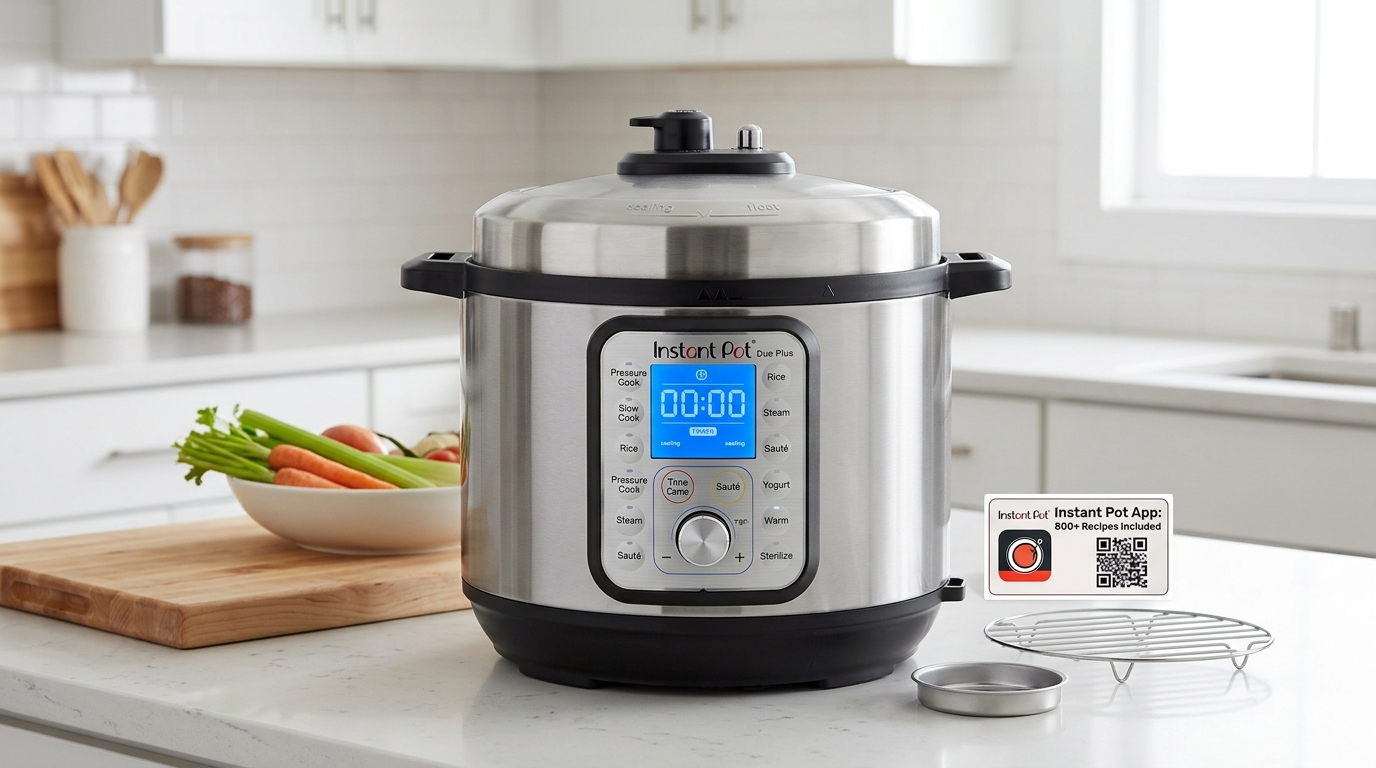
This particular appliance is a multicooker built around the concept of combining several cooking functions into one countertop device. Constructed with a stainless steel exterior and a 6-quart capacity, it is designed to serve as a pressure cooker, slow cooker, rice maker, steamer, sauté pan, yogurt maker, food warmer, and sterilizer, among other functions.
The underlying purpose of this type of appliance is to reduce kitchen clutter while expanding cooking versatility. Rather than needing to switch between multiple standalone devices throughout the week, a user can theoretically prepare a wide range of dishes using different cooking methods, all from a single pot. The inclusion of companion app access, which reportedly connects to a recipe library, is intended to further support users who want structured guidance while learning to use the appliance.
Key Features
Multiple Cooking Functions in One Unit
The defining feature of this appliance is its combination of nine distinct cooking functions. Pressure cooking is designed to significantly reduce cooking time for foods that typically require long braising or simmering, such as beans, tougher cuts of meat, or grains. Slow cooking, on the other hand, is intended for the opposite approach, allowing food to cook gradually over several hours, which many users look for when preparing stews, soups, or dishes that benefit from extended, low-temperature cooking.
The rice maker function is designed to simplify the process of cooking rice to a consistent texture without requiring the user to monitor water levels or timing closely. Steaming is intended for vegetables, seafood, or other foods that benefit from gentle, moisture-based cooking. The sauté function allows for browning or searing ingredients directly in the pot before switching to another cooking mode, which can be useful for building flavor in soups or stews without needing a separate pan.
Yogurt Making Capability
A somewhat less common feature among general kitchen appliances, the yogurt setting is designed to maintain a consistent low temperature over an extended period, which is generally necessary for culturing yogurt at home. This feature may appeal to users interested in preparing homemade yogurt as an alternative to store-bought options, though results can depend on factors such as the type of milk and culture used.
Warming and Sterilizing Functions
The warming function is intended to keep prepared food at a safe serving temperature without continuing to cook it further, which can be useful for meal timing in busy households. The sterilizing function is designed to use heat to sanitize items such as baby bottles, jars, or utensils, offering an additional use case beyond traditional cooking.
Companion App with Recipe Access
This model reportedly includes access to a companion app said to contain a large recipe library. Depending on individual needs, this type of resource may be useful for beginners who want structured guidance on cooking times and settings, or for more experienced cooks looking for new recipe ideas suited to the appliance’s specific functions.
6-Quart Capacity
The 6-quart size is generally considered a mid-to-large capacity for multicookers, and it is designed to accommodate meals for a moderate-sized household. This capacity may be worth considering for those who regularly cook in batches or who want enough space to prepare meals for several people at once.
Materials and Design
The stainless steel exterior is a common design choice for kitchen appliances in this category, largely because it tends to be durable and resistant to staining compared to some plastic alternatives. Stainless steel finishes also tend to coordinate well with a variety of kitchen aesthetics, from traditional to modern.
Internally, multicookers of this type typically include a removable, non-stick or stainless steel inner cooking pot, along with a sealed lid mechanism designed to build and maintain pressure during pressure cooking cycles. The lid generally includes a pressure release valve, which is an important safety component that allows built-up steam to be released either automatically or manually, depending on the specific cooking mode.
The control panel is generally digital, displaying preset buttons for each cooking function along with a small screen for adjusting time and temperature settings. This kind of interface is intended to make the process of switching between cooking modes relatively straightforward, though there is typically a learning curve for users who are new to pressure cooking specifically.
Performance
The general performance goal of a multicooker like this one is to provide flexibility across a wide range of cooking tasks without requiring multiple separate appliances. Pressure cooking, in particular, is designed to significantly reduce cooking times for certain foods by using pressurized steam to cook at higher temperatures than standard boiling or simmering methods would allow.
It’s worth noting that actual performance and cooking times can vary depending on factors such as the specific food being prepared, the quantity of ingredients, altitude, and how well the appliance has been maintained over time. While the pressure cooking function is generally intended to speed up preparation for foods that would otherwise take considerably longer, individual results are not guaranteed and can depend on user familiarity with the settings.
The slow cook, steam, and sauté functions each operate on different principles, and switching between them typically requires some adjustment period as users become familiar with how the appliance behaves under each mode.
Common Uses
Multicookers of this type tend to be used in a variety of practical, everyday situations, including:
- Preparing weeknight meals more quickly through pressure cooking
- Slow-cooking soups, stews, or braised dishes over several hours
- Cooking rice or grains as a side dish without needing a separate rice cooker
- Steaming vegetables or seafood as part of a larger meal
- Browning meat or vegetables directly in the pot before switching to a slow or pressure cook setting
- Making homemade yogurt as an alternative to store-bought varieties
- Keeping prepared dishes warm before serving, particularly during gatherings or meal prep
- Sterilizing baby bottles, jars, or other kitchen items using the dedicated function
Advantages
There are several potential benefits associated with this general category of multi-function cooker:
- Consolidated functionality: Combining multiple cooking methods into one appliance may help reduce the number of separate devices needed in the kitchen.
- Time savings through pressure cooking: This function is designed to reduce cooking times for foods that typically require longer preparation.
- Versatility across meal types: The range of functions may support everything from grains and vegetables to proteins and homemade yogurt.
- Space efficiency: Owning one multi-function appliance instead of several standalone devices can be useful for kitchens with limited storage.
- Guided cooking support: Access to a companion recipe app may be helpful for those newer to multicooking or looking for meal inspiration.
Things to Consider
There are also some limitations and factors worth considering before deciding whether this type of appliance fits a particular household’s needs:
- Learning curve: Pressure cooking in particular can require some adjustment for users unfamiliar with the process, including understanding safety mechanisms and appropriate cooking times.
- Counter and storage space: Despite consolidating multiple functions, the appliance itself is still a fairly large countertop device that requires adequate storage or counter space.
- Function trade-offs: While the appliance is designed to perform multiple roles, some users may find that a dedicated single-purpose appliance performs a specific task, such as slow cooking or rice making, somewhat differently than a standalone device built solely for that purpose.
- Maintenance requirements: Components such as the sealing ring and pressure valve generally require regular cleaning and occasional replacement to maintain proper function and safety.
Suitability ultimately depends on household size, cooking habits, and how much value is placed on consolidating kitchen appliances versus using dedicated single-function tools.
Comparison with Similar Product Categories
When compared to standalone slow cookers, a multicooker like this one offers considerably more versatility, since slow cooking is just one of several available functions rather than the device’s sole purpose. However, a dedicated slow cooker may still appeal to users who exclusively use that cooking method and prefer a simpler, single-function appliance without additional settings to navigate.
Compared to traditional stovetop pressure cookers, electric multicookers generally offer more automated control over pressure levels and cooking times, which may reduce some of the guesswork and manual monitoring associated with stovetop methods. That said, some users who are experienced with stovetop pressure cooking may prefer the direct control that a traditional cooker offers.
When compared to standalone rice cookers or steamers, a multicooker consolidates these functions into one device, which can be practical for saving space, though dedicated single-purpose appliances are sometimes viewed as offering more consistent results for their specific task since they are engineered around that single function alone.
Maintenance and Care
Proper maintenance is an important part of keeping a multicooker functioning safely and effectively over time. General care recommendations for this type of appliance typically include:
- Removing and washing the inner cooking pot after each use, generally by hand or according to manufacturer guidance regarding dishwasher compatibility
- Cleaning the sealing ring regularly, as this component can absorb odors from strongly flavored foods over time
- Inspecting the pressure release valve and float valve periodically to ensure they are free of debris and functioning correctly
- Wiping down the exterior housing and control panel to prevent buildup of spills or residue
- Replacing the sealing ring periodically, as recommended by the manufacturer, since this part can wear down with repeated use
Following these general maintenance steps can help support both the safety and longevity of the appliance.
Frequently Asked Questions
1. Is prior experience with pressure cooking necessary to use this appliance? No prior experience is strictly required, though many users find that referring to the companion app or included instructions helps during the initial learning period.
2. How long does pressure cooking typically take compared to conventional methods? Pressure cooking is generally designed to reduce cooking times compared to conventional stovetop or oven methods, though the exact time savings depend on the specific food being prepared.
3. Can all nine functions be used within a single recipe? Many recipes are designed to use a sequence of functions, such as sautéing ingredients before switching to a pressure or slow cook setting, allowing for multi-step cooking within one appliance.
4. Is the inner pot dishwasher safe? This can vary by model, so checking the specific care instructions provided with the appliance is generally recommended.
5. How often should the sealing ring be replaced? Manufacturers generally recommend periodic replacement, often based on frequency of use, since the ring can wear down or retain odors over time.
6. Is this appliance suitable for cooking for a large family? The 6-quart capacity is generally considered suitable for moderate-sized households, though very large families may want to consider whether a larger capacity model better fits their needs.
7. Does the yogurt function require any special ingredients? Making yogurt generally requires milk and a yogurt starter or culture, and results can vary depending on the specific ingredients and settings used.
8. Can this appliance be used to sterilize baby items? Yes, a dedicated sterilizing function is included, which is designed to use heat to sanitize items such as bottles or jars.
9. Is the companion app required to use the appliance? The app is generally offered as an optional resource for recipes and guidance rather than a requirement for basic operation.
10. How does the sauté function work compared to a stovetop pan? The sauté function allows for browning ingredients directly in the cooking pot, which can be convenient for building flavor before switching to another cooking mode, though heat distribution may differ somewhat from a traditional stovetop pan.
11. What safety features are typically included with pressure cookers of this type? These appliances generally include mechanisms such as a locking lid, pressure release valve, and safety sensors designed to prevent the lid from opening while pressure remains inside, though users should always refer to the manufacturer’s specific safety guidelines.
12. Can this appliance replace multiple other kitchen devices? Many users find that a multicooker can reduce the need for separate appliances such as a rice cooker, slow cooker, or steamer, though individual preferences for dedicated single-function devices may still apply.
Final Thoughts
Multi-function cookers like this one are designed to bring together several cooking methods into a single countertop appliance, offering flexibility for households that want to prepare a wide range of dishes without accumulating multiple separate devices. Features such as pressure cooking, slow cooking, steaming, and yogurt making each serve different culinary purposes, and having them combined may appeal to users looking for versatility and consolidated kitchen storage.
As with any kitchen appliance, the right choice depends on individual cooking habits, household size, and personal preferences regarding convenience, learning curve, and maintenance. Taking time to understand the various functions and how they align with everyday cooking needs can help in deciding whether this type of appliance is a good fit.